BITTERS AND ABSINTHE
BITTERS & ABSINTHE
Get in touch with your herb n’ roots…
As we’ve already thrown a significant nod to Peychaud and touched upon the creation of the Sazerac with a brief tour through cocktail history, it’s time we make sure to fully spell out the qualities that constitute a ‘bitter’: a tincture containing at least one bitter element stored inside a neutral (un-aged) grain spirit. So, what is a tincture? It is an herbal extract meant to serve as medicine. Typically, bitters will get their flavor from a combination of herbs, flowers, leaves, and/or roots.
Here are a few essential bitters to know:
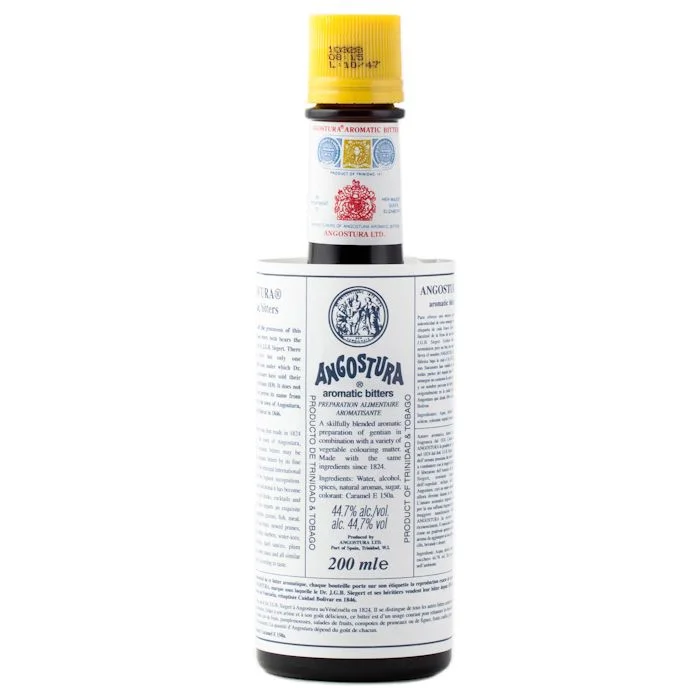
ANGOSTURA
This bottle got its namesake from the small Venezuelan town of Angostura where its recipe - made with over 40 ingredients and known by only five people on the planet at a time - was originally conceived by a Surgeon General to Simon Bolivar in 1824 to fend off parasites and alleviate stomach pain. It is now made in Trinidad, where brown sugar and coloring are added to the herbal tincture, and it is then diluted to 44.7% ABV. You’ll find it at almost every bar in the world.
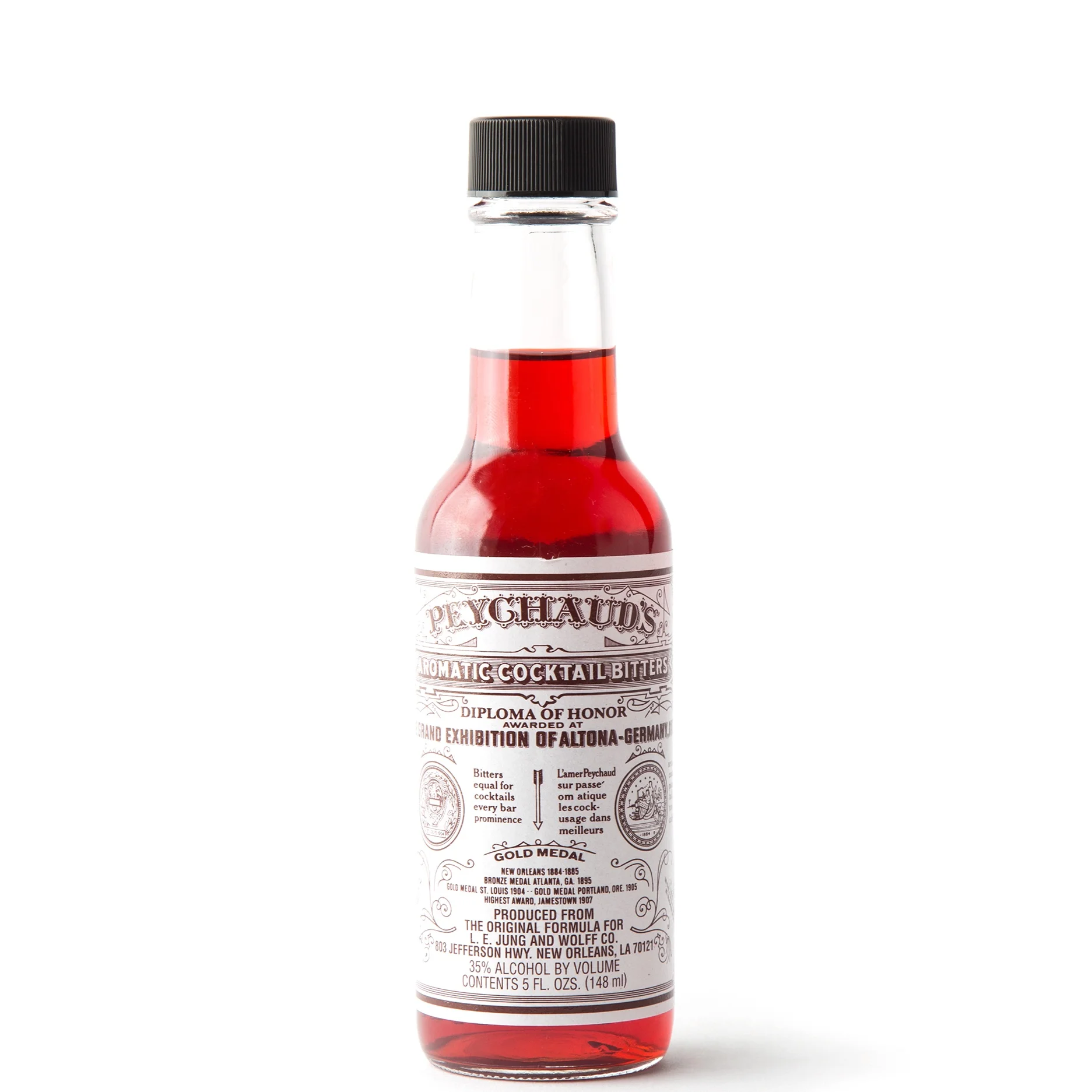
PEYCHAUD’S
Conceived by Antoine Amédée Peychaud in his New Orleans Apothecary around 1830, his Gentian-based bitter was also meant to cure stomach pain. You’ll see it proudly displayed on
the label that this blend won a Diploma of Honor at The Grand Exhibition of Altadona-Germany in 1869… perhaps that’s the last award it won, but its place in cocktail culture is secured by its association with the Sazerac. It is still made in NOLA to this day, manufactured by - appropriately enough, the Sazerac Company.
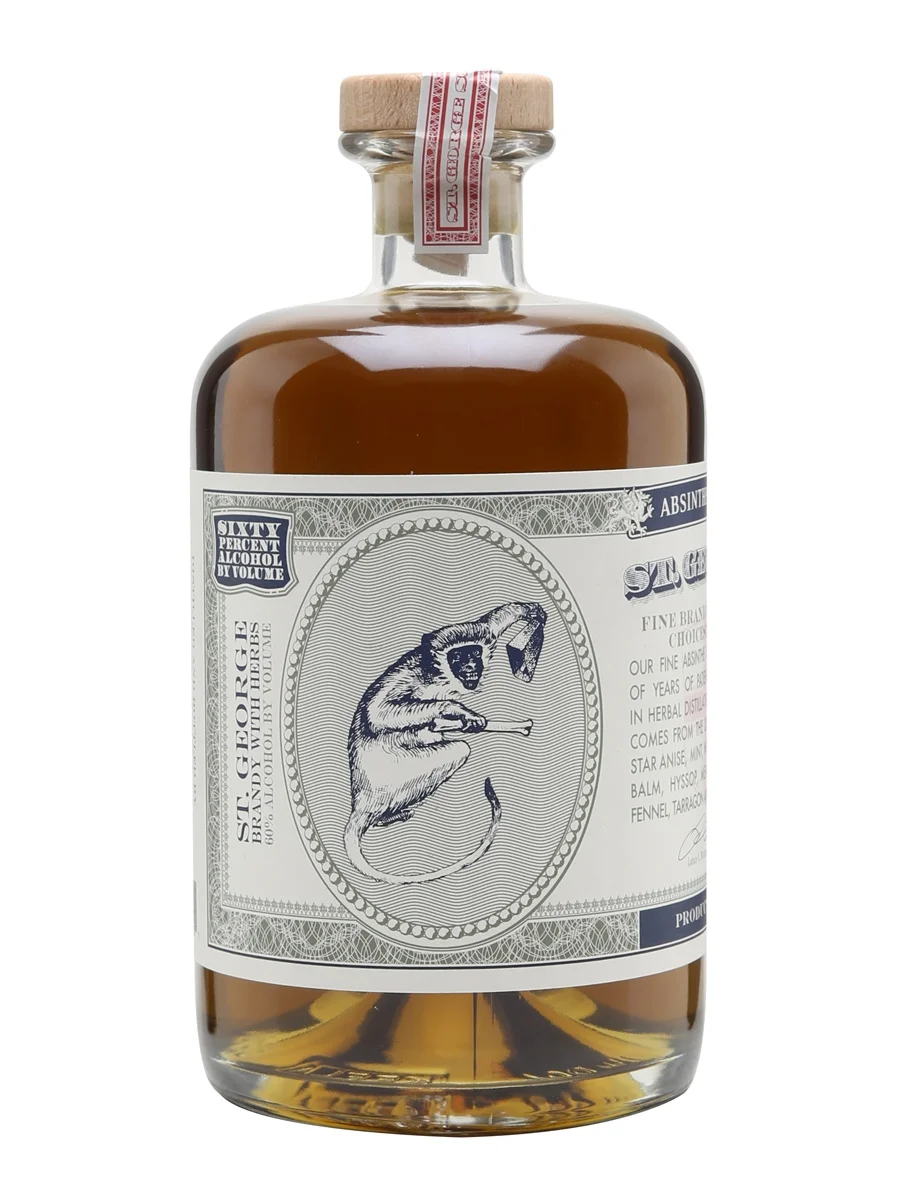
ABSINTHE
Lauded by poets and painters alike, the ‘Green Fairy’ was also equally despised among many conservative voices among the French population of the mid-19th century. It was originally a product of the Swiss, who used an extraction of “The Holy Trinity” of herbs: Anise, Fennal, and Wormwood. By the time the wine shortage of 1880 ended in France, many drinkers stuck with the green stuff as a suitable (cheaper) replacement. But it was banned in most of Europe for nearly a century - until it was proven that the psycho-active properties inherent in the chemical compound ‘thujone’ (found in wormwood) are not nearly as strong or dangerous as once believed.