GIN & GENEVER
GIN & GENEVER

As we’ve previously iterated, many spirits were originally conceived for medicinal purposes. In mid-16th century Holland, something called ‘Genever’ was conceived from a malted wine base, which was distilled twice with juniper being added in the second distillation. Juniper is an antibacterial, so Genever was practical as an everyday elixir to fend off the common cold. By the end of the 16th century, the spirit was served in over 400 apothecaries in the city of Amsterdam alone! When William of Orange became King of England, men in the British navy quickly got hip to the stuff stashed inside the coat pockets of their Dutch comrades, and eventually some samples made their way back to foggy London town. A quick century later, the London Dry style of gin was introduced unto the world - but not without a fair share of societal crisis. Suffice to say that subsequent nicknames “Mother’s Ruin” and “Bathtub Gin” came about during London’s “Gin Craze” because a set of unpleasant economic conditions lead to hasty and dangerously improper distilling techniques (such as adding turpentine to imitate juniper, then sugar to hide the poor quality), most of which today are completely obsolete.
Today, we know the common denominator of all gin is that juniper. ‘Gin’ is distilled three (3) times, with juniper and any other manner of botanical ingredients added on that final distillation for flavoring. Every bottle of gin is a different bouquet, and there are many styles to be appreciated:
London Dry (LD): High proof, Juniper and citrus, sharp. Does not have to be distilled in London.
Plymouth: Gentle, citrus forward, lower ABV than. Distilled at a specific distillery in Plymouth, England.
Old Tom: LD’s historical cousin. Juniper forward with richer and sweeter flavor. Originally had added sugar and botanicals to hide the poor quality. Making a comeback!
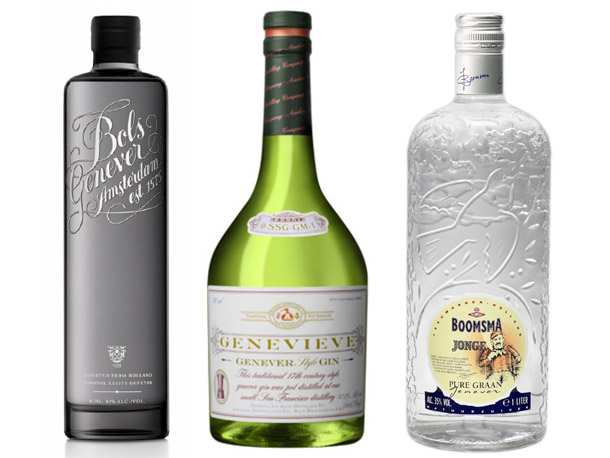
Genever: a clear, botanically rich, malted grain-based spirit that can only be made in Holland or Belgium. It is a blend of two or more distillates: first, a whiskey-like triple distillate made of corn, wheat, and rye (so-called malt wine). Second, a juniper-infused distillate.
New Style: Experimenting with new botanicals and aging.