TEQUILA & MEZCAL
TEQUILA & MEZCAL
TEQUILA
This spirit is merely one color woven into the tapestry that is the Mezcal tradition. Made specifically and exclusively from the Blue Agave plant, the production of Tequila has significantly altered the landscape of its native land as it has grown from a local ritualistic fascination to an internationally recognized (and massively consumed) staple. Made mostly in the Mexican states of Jalisco, Nayarit, Michoacán, Guanajuato, and Tamaulipas, the region where the base ingredient is cultivated matters more to the finished product than in any other spirit. Typically, ‘highland’ regions in higher elevations yield tequila that has sharp, fresh, and grassy notes; whereas lowland producers offer broader, fattier flavor profiles.
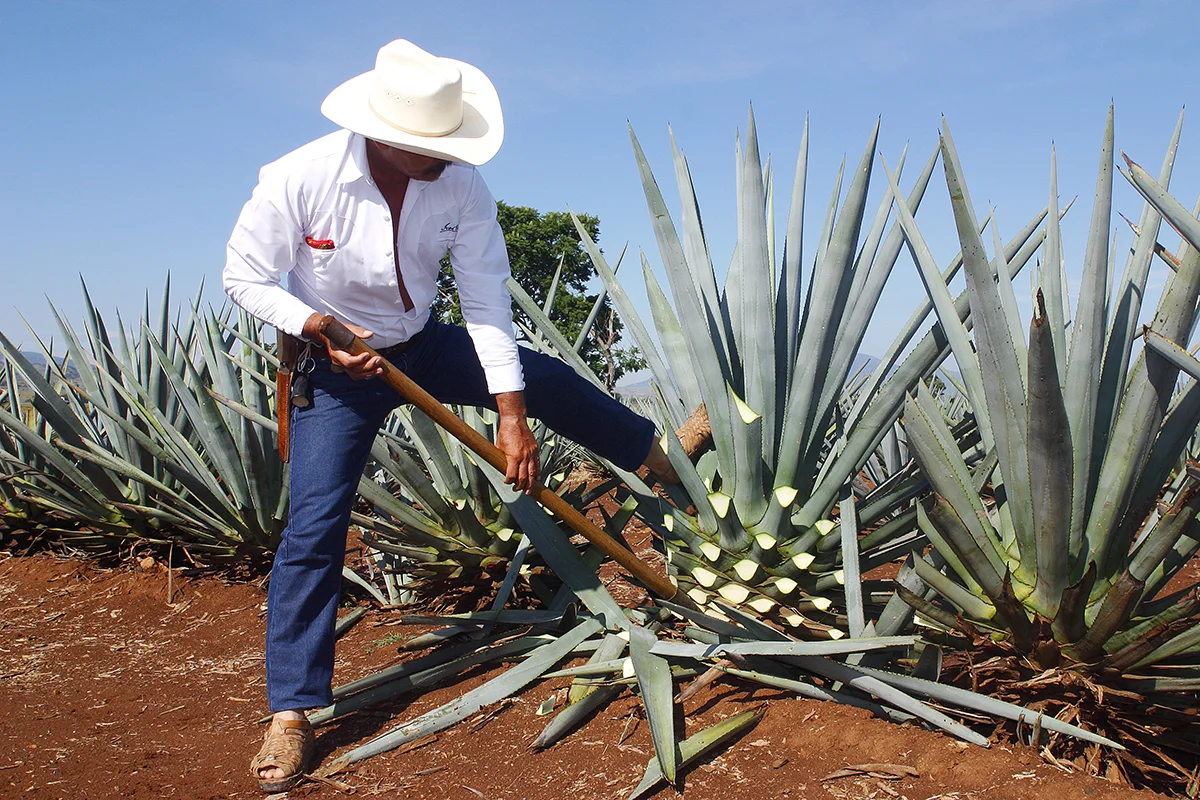
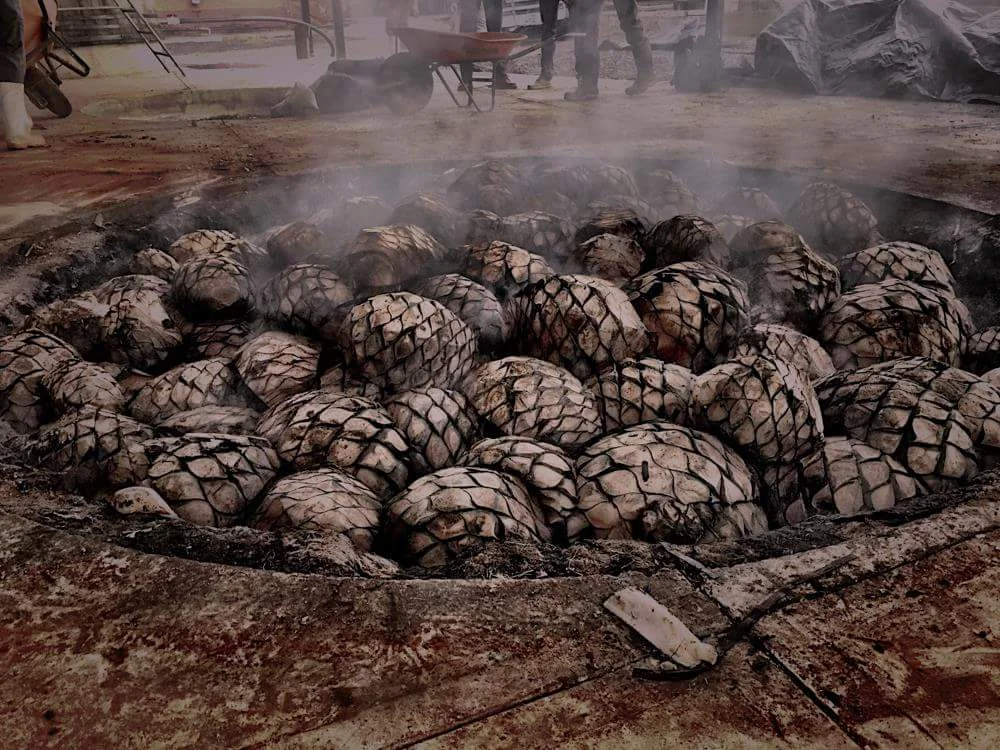
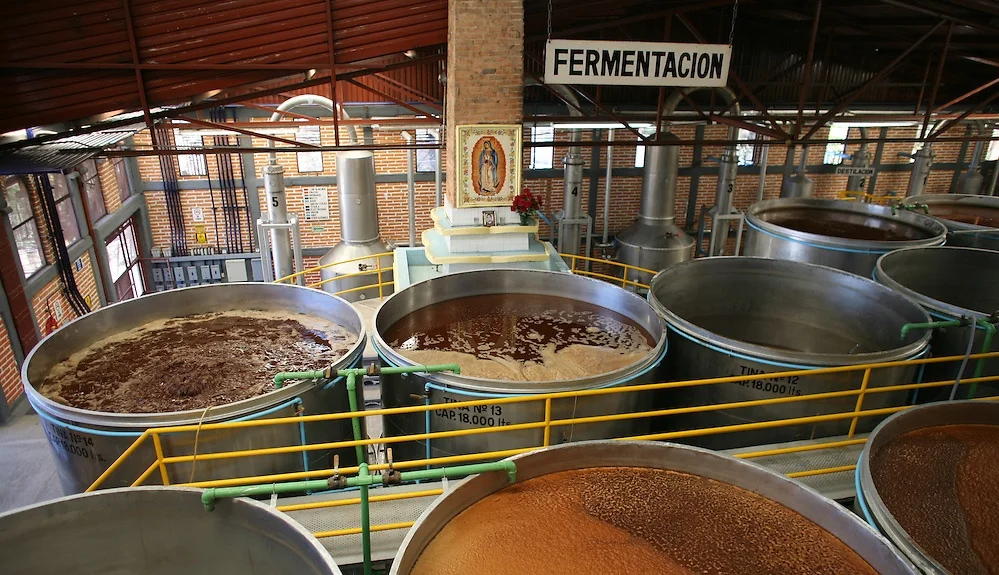
The blue agave plant typically takes at least 10 years to reach ‘maturity’ - the point at which the jimador determines the sugars have collected atop the piña (or cone-like pit) of the plant and are about to sprout a flower. The piñas are harvested, cooked in a ‘hornos’ (oven) over gas, steam, or the traditional fire pit; then juiced and left to ferment before distillation. Tequila is always distilled 2 times to reach its desired strength. As is the case with many spirits that become their nation’s pride, government agents oversee every step of the process from distillery to bottle. Tequila can only be made in Mexico from 100% blue agave, and it comes in three age categories: Blanco (un-aged), Reposado (barrel-aged for 2-12 months), and Añejo (aged at least 1 year).
MEZCAL
All tequila is mezcal, but not all mezcal is tequila. Meaning: mezcal made from agave. No restrictions. Any type of agave. This is the main difference between tequila and mezcal. Most mezcal hails from Oaxaca and its neighboring regions.
Para todo mal, Mezcal.
Para todo bien, tambien Mezcal.
Check out the process of making mezcal below:
STEP 1: The Pina is harvested by a skilled jimador.
STEP 2: Cook the Pina in a hornito (oven) by gas, steam, or fire.
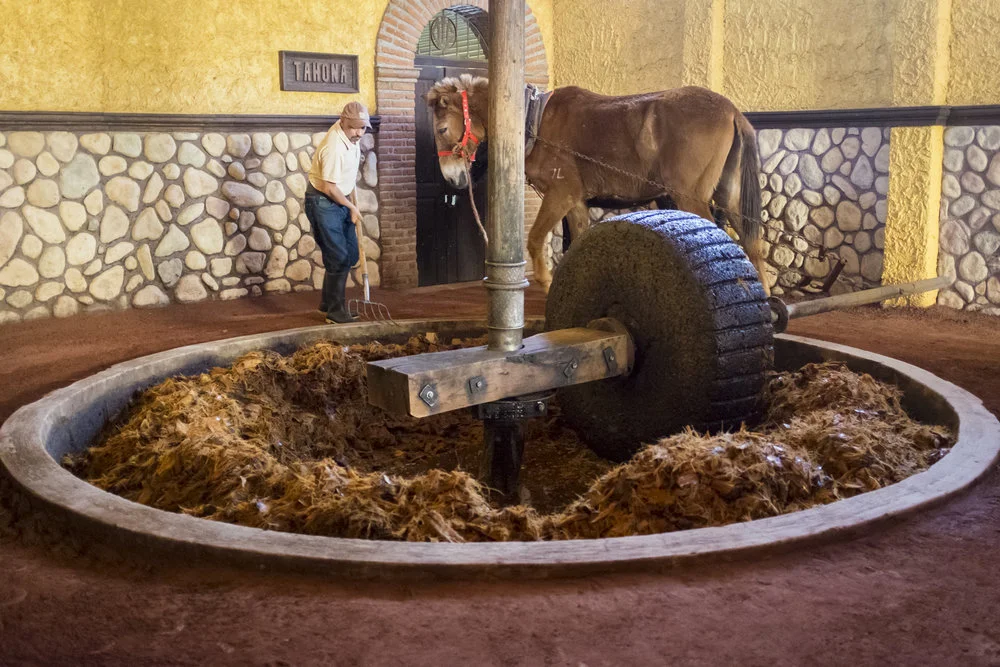
STEP 3: Juice the pina in a tahona.
STEP 4: Ferment the pina.
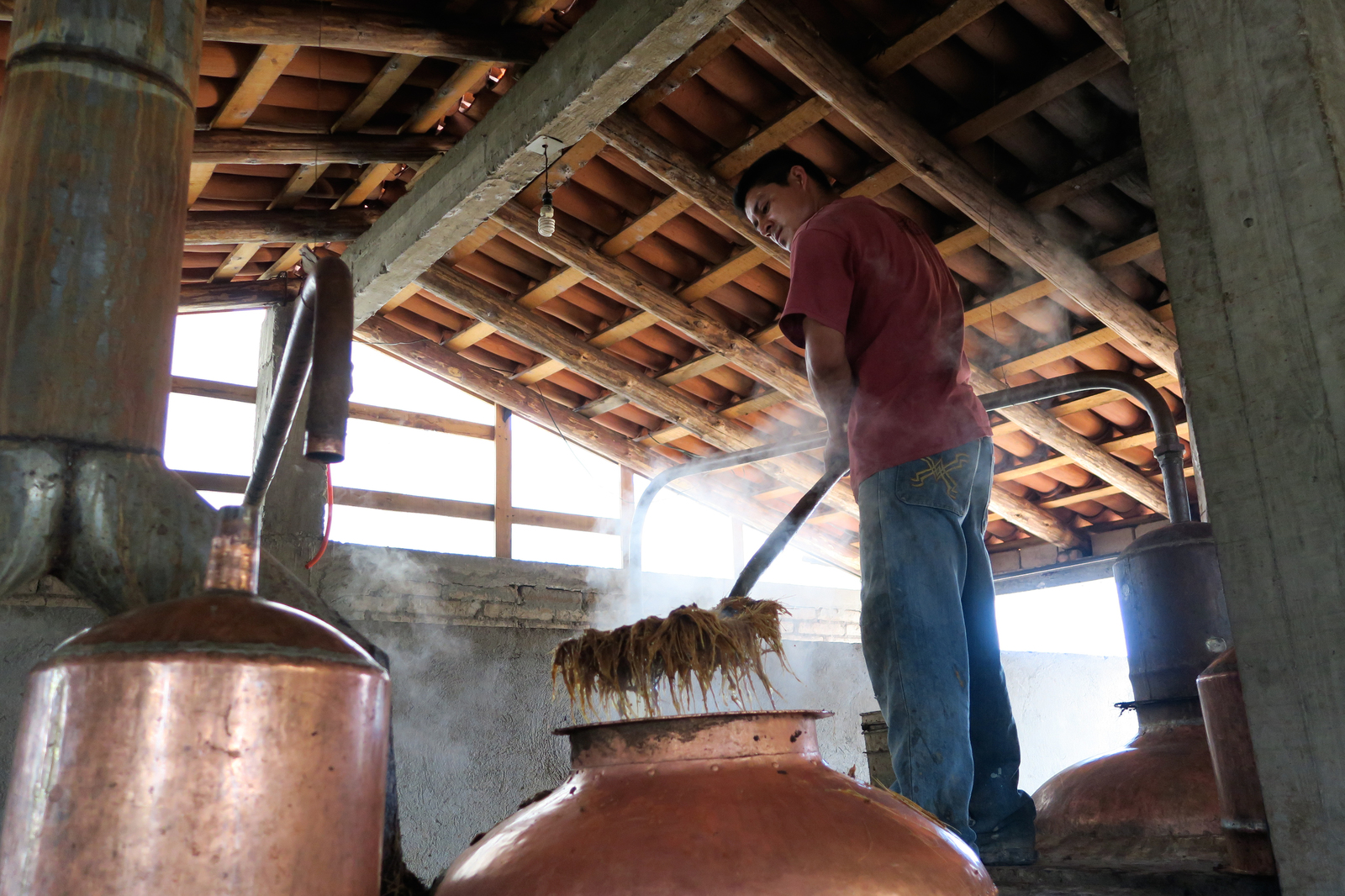
STEP 5: Distill the fermentation.