
VODKA
VODKA
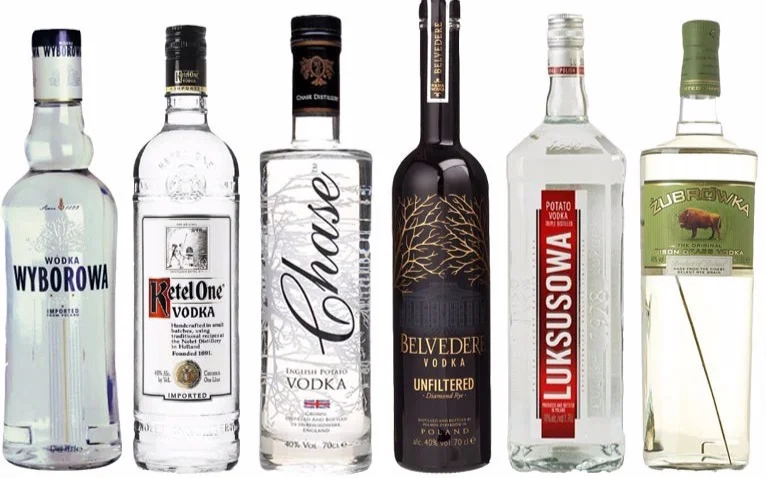
When we hold class at the bar, we like to ask what people already know about Vodka… just so we don’t bore ya. We usually get the same two answers from a couple volunteers right off the bat:
“Made from potatoes,” one student will say.
“Made in Russia,” says another.
While these statements certainly apply to many vodkas, they are a far cry from defining the spirit. The word itself is actually derived from the Polish phrase “woda zycia” - which means “water of life”. Its origin could be either Russia or Poland, and it all depends on who you ask. Vodka can be made out of ‘anything’.
“Sounds exciting - should we finally repurpose all those old shoes?”
Well, anything that can be fermented… so, any fruit or grain. What does distinguish this spirit from others then? One factor is that it is always distilled to its highest possible proof (195) before being filtered and diluted with water.
What’s left by the time it reaches the bottle is a clear liquid that typically has no flavor profile whatsoever beyond ‘alcohol’. By the time Prohibition ended in 1933, most bars had a single bottle of the stuff collecting dust somewhere on the back bar. Bartenders didn’t know how to use it, and most Americans didn’t have any clue what it was. So how did it become such a phenomenal seller in the world market as we know it today? The simple answer is that its weakness became its strength, in that it could mix well with nearly anything, and could hide on the breathe more than most of its counterparts - especially whiskey. In an attempt to appeal to a newly energized American drinking public, the ad wizards hit on a key phrase, calling it the “white whiskey” and marketing it as a lighter, cleaner alternative to the heavy stuff we were used to drinking. In a way, that reputation remains true - as the many filtrations do in fact remove congeners from the finished product.
TASTING
Though vodka is a neutral spirit, one of the more remarkable aspects about tasting vodka is that, though as much flavor has been removed as possible, we tasters still find flavors. Having removed everything else, what should be left is yeast, water, and the grain or other material from which the vodka is made.
Vodka presents one of the greatest challenges you'll have as a taster. But before you despair of finding flavor, put three vodkas next to each other. Smell, taste and compare them. While putting words to the differences requires some artistic license, you will definitely find those differences.