Corporate Cocktail Making Class That Works
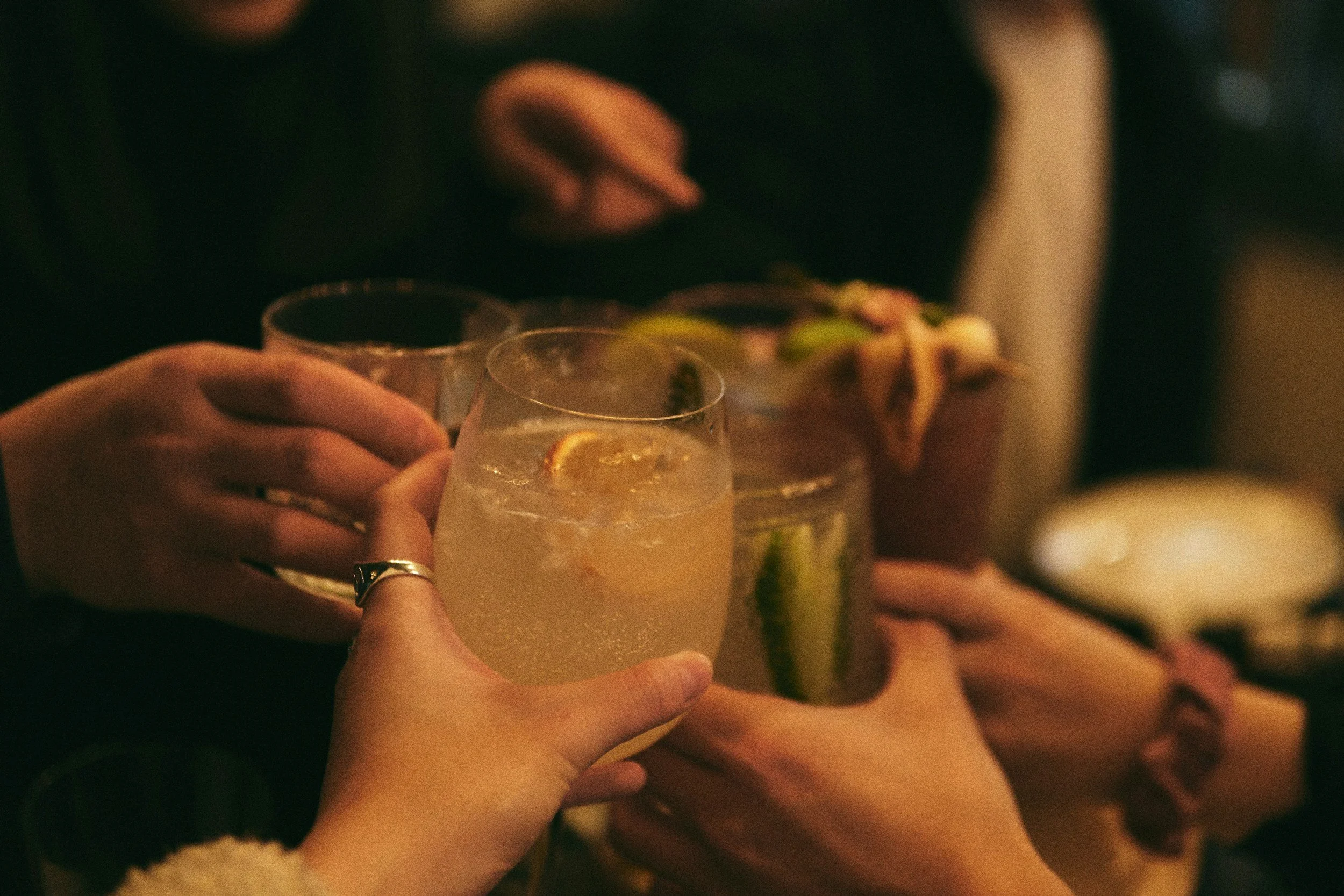
Most team events fail for the same reason - they feel like an obligation with snacks. A corporate cocktail making class changes that fast when it is run well. People have something to do with their hands, something to learn, and a shared result at the end that feels social without being forced.
That balance is exactly why this format keeps showing up in company offsites, client appreciation events, holiday parties, and remote team sessions. It gives structure to the hour, but it does not feel stiff. It creates conversation naturally. And if the class is led by real hospitality pros, it also feels polished enough to reflect well on your company.
Why a corporate cocktail making class works
A good team-building event has to clear a few hurdles. It needs to be easy to join, interesting for different personality types, and flexible enough to fit the room, the budget, and the occasion. Cocktail making does that better than many event formats because it combines instruction with interaction.
There is a clear beginning, middle, and end. Guests arrive, get oriented, build a drink, and learn enough technique to feel accomplished without being overwhelmed. For extroverts, it is social right away. For quieter guests, the activity itself gives them a comfortable way in. No one has to invent small talk from scratch when they are already measuring, shaking, garnishing, and comparing results.
There is also a practical appeal. A class can be celebratory without drifting into the chaos of an open bar. Companies that want a more intentional event often prefer that. You still get energy and fun, but the experience is guided, timed, and easier to manage.
What separates a strong class from a forgettable one
Not every mixology event is built the same. The difference usually comes down to instruction, pacing, and setting.
When an instructor has real bar experience, the class immediately feels more credible. Guests are not just being entertained. They are learning actual technique - why one drink is shaken and another stirred, how citrus changes balance, why dilution matters, and how presentation changes perception. Those details turn a novelty event into a memorable experience.
Pacing matters just as much. If the class drags through too much background, people disengage. If it rushes straight into drinking with no guidance, it loses the professional edge companies are paying for. The best sessions keep the energy moving while still teaching enough to make the experience feel worthwhile.
Setting changes the tone too. A corporate cocktail making class held in a real bar environment often lands differently than one held in a standard conference room. It feels more immersive, more credible, and more aligned with hospitality. That said, on-site office events can work well when convenience is the main priority. Virtual classes can also be excellent for distributed teams, but they require tighter logistics and simpler drink builds.
Choosing the right format for your team
The right event format depends on what you need the class to do.
If your goal is team bonding, a hands-on class with two cocktails and light friendly competition usually works well. People can collaborate, compare techniques, and have enough time to loosen up. If your audience includes clients or executives, the tone may need to be more refined. In that case, a guided tasting element, elevated glassware, and a polished host can make the event feel more premium.
For remote teams, simplicity wins. Ingredient kits need to be realistic to ship and easy to use at home. Drinks should rely on accessible tools or provided barware. The host needs to carry more of the energy because the room cannot do that work naturally.
For larger groups, the class structure has to be tighter. Breakout stations, co-hosts, or a demonstration-plus-participation model can help keep things moving. A smaller executive team may want more personalization and more time for questions. A 20-person marketing team may want a faster, more energetic session. It depends on group size, company culture, and whether the event is meant to celebrate, train, entertain, or impress.
What companies should think about before booking
The most successful events start with a few clear decisions. First, know the role of alcohol in the event. That sounds obvious, but it shapes everything from the menu to the tone. Some companies want a lively happy-hour feel. Others want a restrained, professional experience where the cocktail is part of the activity, not the whole point.
Next, consider inclusivity. A strong class should accommodate non-drinkers, low-ABV preferences, and dietary restrictions without making anyone feel like an afterthought. Well-designed mocktail options matter. They should use the same techniques and feel just as intentional as the alcoholic version.
Timing is another big factor. Sixty minutes can work for a fast, high-energy session. Ninety minutes usually gives enough room for instruction, interaction, and two solid builds. Longer events can work for private celebrations or premium client experiences, but for standard corporate groups, shorter often performs better.
Budget should be handled realistically. Cheaper is not always better if it means generic ingredients, poor instruction, or a disorganized guest experience. People notice details. Fresh citrus, quality spirits, professional tools, and capable instructors all affect how the event is remembered. If the class is representing your company, presentation matters.
How to make the experience feel branded, not generic
A corporate event should not feel like a copy-and-paste activity pulled from a catalog. The strongest classes are customized just enough to feel intentional.
That can be simple. A drink can reflect the season, the city, or the company's personality. The host can weave in team milestones, product launches, or event themes without turning the class into a presentation. Even small touches - branded menus, a signature garnish, a custom welcome, a polished setup - can make the experience feel more connected to the occasion.
Customization should still respect the flow of the class. Too much branding can make the event feel staged. The goal is not to interrupt the experience. It is to make it feel like it was built for this group, on this day, for a reason.
Corporate cocktail making class ideas that actually land
Some event concepts are easier to execute well than others. Seasonal builds work because the ingredients and visuals already create momentum. Holiday classes are popular for the same reason. Guests understand the mood right away.
Classic-versus-modern menus also tend to perform well. One drink teaches fundamentals, and the second lets guests try a twist. That structure is approachable for beginners while still feeling interesting for people who already enjoy cocktails.
If the company wants more engagement, a light competitive element can work. Teams might build variations based on a flavor profile or presentation theme. The key word is light. The event should stay welcoming, not turn into a pressure-filled contest.
For professional audiences, a short section on bar technique or spirit education can elevate the experience. People like learning something real. It gives the event more staying power than a simple pour-and-stir activity.
Why expert instruction matters more than people think
Anyone can read a recipe card. That is not the same as leading a room.
A skilled instructor controls the pace, reads the group, adjusts the energy, and keeps the class moving without making it feel rushed. They know how to help a first-time participant feel comfortable and how to keep more confident guests engaged. That balance is what makes a class feel smooth from start to finish.
For companies, this is where credibility shows up. If the host has real bartending and training experience, guests feel it. The event becomes more than entertainment. It becomes a polished hospitality experience led by someone who actually knows the craft.
That is one reason brands like The Cocktail Camp stand out in this space. Real-world bar training changes the quality of instruction. It brings a level of professionalism that generic event vendors often miss.
Is it worth it?
If the goal is a team event people will actually talk about afterward, yes - when the class is built properly. A corporate cocktail making class works best when it blends hospitality, education, and social energy in the right proportions. It should feel easy to join, but not lazy. Professional, but not stiff. Fun, without losing control of the room.
That mix is harder to pull off than it looks, which is exactly why the right host matters. When the details are handled well, the class does more than fill an hour on the calendar. It gives your team a shared experience that feels polished, current, and genuinely enjoyable.
If you are planning one, aim for substance over gimmicks. People remember events that feel well run, thoughtfully designed, and worth showing up for.