
Why a Real Bar Training Program Works
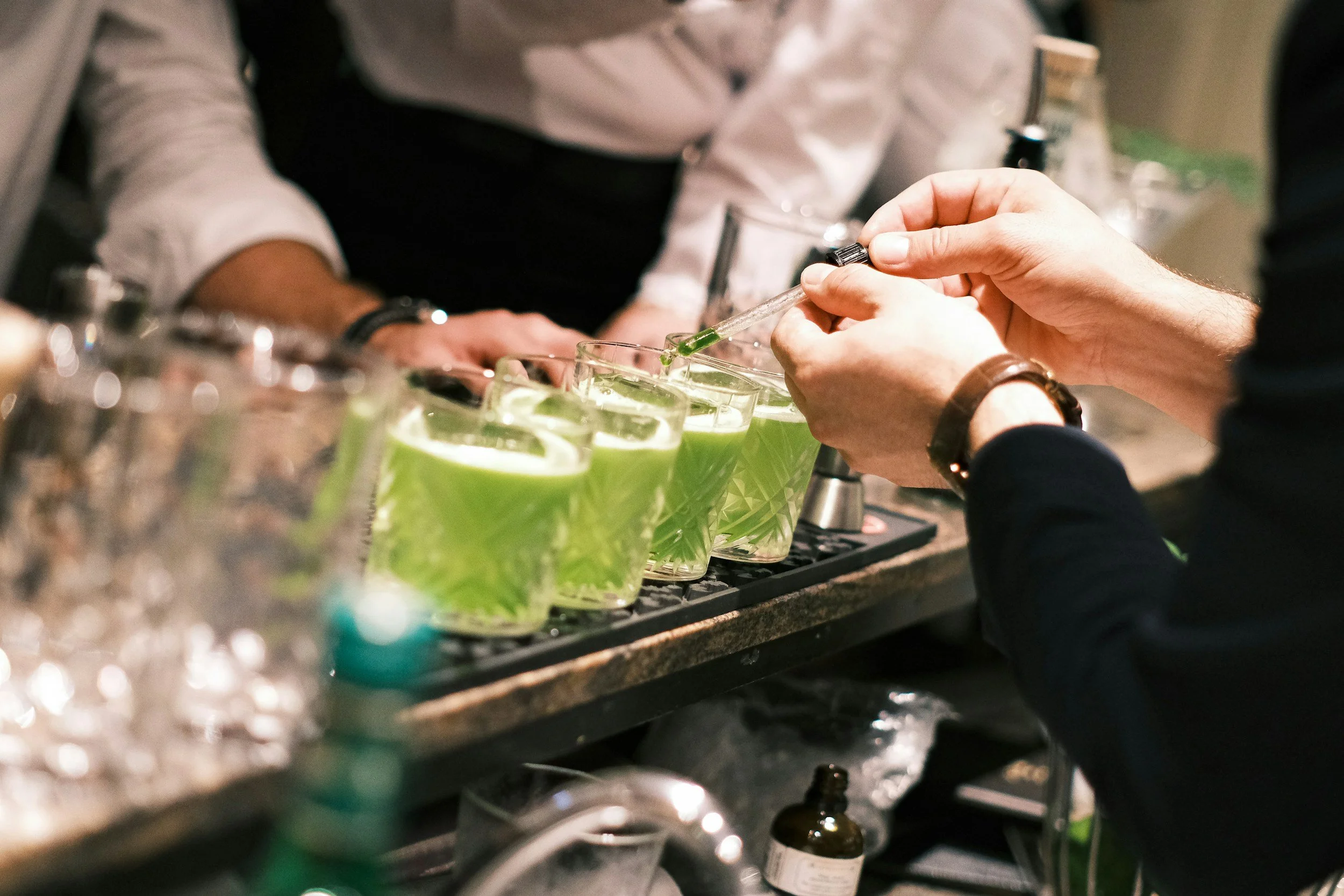
You can spot the difference fast between someone who learned bartending from slides and someone who trained during actual service flow. One knows recipes. The other knows how to move, communicate, prioritize, and keep calm when three guests order at once. That is why a real bar training program matters. It teaches the job where the job actually happens.
For aspiring bartenders, hospitality pros, and career changers, that difference is not small. It affects confidence, speed, guest experience, and hiring potential. Bartending is physical, social, and highly situational. You are not just mixing drinks. You are managing timing, reading guests, handling tools efficiently, staying organized, and working inside a live environment that changes by the minute.
What makes a real bar training program different
A real bar training program puts students behind an actual bar setup instead of limiting learning to theory alone. That means you are working with the same stations, tools, bottle placement, glassware, and movement patterns used in service. You learn how to build drinks, but you also learn where to stand, how to reach efficiently, how to reset your station, and how to stay aware of everything happening around you.
That kind of repetition builds muscle memory. In a classroom, you might understand the steps of making an Old Fashioned. In a real bar environment, you start learning how to make it cleanly while keeping your station tight and your attention on the guest. Those are two very different levels of readiness.
This is also where speed starts to become practical rather than rushed. New bartenders often think speed means moving frantically. In reality, speed comes from setup, economy of motion, and consistent technique. Training in a bar environment helps you feel that early.
Real bar training program benefits that matter on the job
The biggest benefit is job relevance. If your goal is to work in hospitality, your training should reflect real hospitality conditions. That includes pressure, interaction, multitasking, and workflow. A program built around real bar experience gives you exposure to the things that often make beginners freeze.
Confidence is another major factor. Many students do well when they are practicing in a low-pressure setting, then struggle once guests are involved. A more realistic training environment helps close that gap. You gain familiarity with the pace and physical layout of bartending before you ever step into a paid shift.
There is also a stronger connection between technique and service. Good bartending is not just about accuracy in the glass. It is about how you greet, how you pace ticket production, how you maintain cleanliness, and how you recover when something goes wrong. A real bar setting gives those lessons context.
That said, realism alone is not enough. The quality of instruction still matters. A strong program does not just place students in a bar and hope they figure it out. It gives structure, coaching, correction, and clear skill progression. The best training combines hands-on repetition with expert feedback.
Why classroom-only bartending training can fall short
Classroom learning has value. It can help students understand spirits, cocktail families, bar terminology, and foundational techniques. If you are brand new, some guided theory is useful. But if the program stops there, it leaves a big gap between learning and doing.
That gap usually shows up in service rhythm. Students may know what a shaker is for but still feel awkward using it in sequence. They may memorize pour counts but struggle to build multiple drinks while talking to guests. They may understand bar tools in isolation but not know how to organize a station under pressure.
This is where many people realize bartending is more than recipes. It is performance, hospitality, coordination, and timing. A training format that ignores the physical and social reality of the bar can leave graduates underprepared.
The trade-off is that pure classroom programs can feel simpler and less intimidating at first. For some learners, that softer start is appealing. But if your goal is to become job-ready, comfort should not be the main standard. Relevance should be.
What you should learn in a real bar environment
A quality training experience should cover classic cocktail technique, responsible alcohol service, bar setup, pouring accuracy, and guest interaction. It should also teach workflow. That includes opening and closing routines, station organization, glass handling, cleanliness, and communication behind the bar.
You should practice building drinks with intention, not just copying steps. Why use one technique over another? When should a drink be stirred instead of shaken? How do garnish choices affect speed and presentation? Why does station layout matter when orders stack up? Those details shape real performance.
You should also get comfortable with service awareness. That means paying attention to the guest while also tracking your tools, your ice, your bottles, and your timing. New bartenders often focus so hard on the recipe that they forget the hospitality side. Strong training keeps both in view.
For students pursuing certification, structure matters too. A strong program should not treat certification like a checkbox. It should connect the credential to actual skill development, so you leave with both proof of training and practical ability.
Who benefits most from this kind of program
If you are trying to break into bartending for the first time, this format gives you a stronger start. You are not just learning what drinks exist. You are learning how to function in the role. That makes interviews, trials, and early shifts less intimidating.
If you already work in hospitality, a real bar training program can sharpen weak spots quickly. Maybe you serve tables and want to move behind the bar. Maybe you bartend occasionally but want stronger cocktail fundamentals and cleaner execution. Training in a realistic environment helps you level up faster because the lessons connect directly to service.
Career changers also benefit. If you are coming from an office, retail, or another industry, bartending can seem simple from the outside and surprisingly complex once you step in. Real-world training gives you a clearer picture of the pace, expectations, and physical demands before you commit fully.
Even recreational learners can appreciate the difference. If you enjoy cocktails and want hands-on instruction, practicing in a real bar setup simply feels more engaging and more authentic than a purely lecture-based experience.
How to choose the right real bar training program
Look for instruction led by experienced professionals who can teach both technique and service habits. Industry experience matters, but teaching ability matters just as much. A great bartender is not automatically a great instructor. You want both.
Pay attention to how the curriculum is built. Does it move from fundamentals to live application, or is it just a collection of disconnected lessons? Does it include bar mechanics, not just drink recipes? Does it help students build confidence with guest-facing skills as well as mixology?
You should also consider class environment and access. Smaller groups often allow for more feedback and more repetition. Location matters too, especially if you are training in a major market where employers expect a certain level of polish and pace. Programs like The Cocktail Camp stand out when they combine expert-led instruction with hands-on training in a real bar setting, because that mirrors the actual demands of the industry.
Finally, ask yourself what outcome you want. If you want a casual hobby class, your standard will be different than if you want to get hired. Be honest about the goal. The right program is the one that matches it.
The real test is how ready you feel after training
A bartending program should leave you with more than notes and a certificate. It should leave you able to step behind the bar and function. Not perfectly, not like someone with ten years of experience, but with real competence, real awareness, and real confidence.
That is the advantage of a real bar training program. It respects the fact that bartending is learned through doing. The environment shapes the skill. When your training matches the job, your progress gets sharper, faster, and far more useful.
If you want to build bartending skills that actually translate to service, choose training that puts you where the work happens. The bar will teach you a lot. The right program makes sure you are ready to learn from it.