
Shake or Stir? The Simple Rule Behind Every Great Cocktail
It's usually the second question anyone asks at the bar, right after "what's in that?" How do you know whether a drink gets shaken or stirred? Is it tradition? Showmanship? A bartender being dramatic?
A little of the last one, sure. But mostly it's a rule, and you can learn it in about five seconds.
The five-second rule
Look at what's going into the drink. If there's citrus, juice, cream or egg white, shake it. If it's all spirits (spirit plus vermouth, bitters or liqueur), stir it.
That's the whole rule. Everything else is just the why.
Why we shake
Shaking is violent on purpose. Juice and cream don't want to blend with spirit on their own, so you throw everything around a tin full of ice and force the issue. Three things happen at once: the drink gets cold fast, it picks up a little water from the melting ice, and it gets air whipped into it.
That air is why a good Daiquiri feels bright and lively on the first sip, and why a Whiskey Sour wears a little cap of foam. Give it 10 to 12 hard seconds. You'll know you're there when the tin frosts over and gets almost too cold to hold.
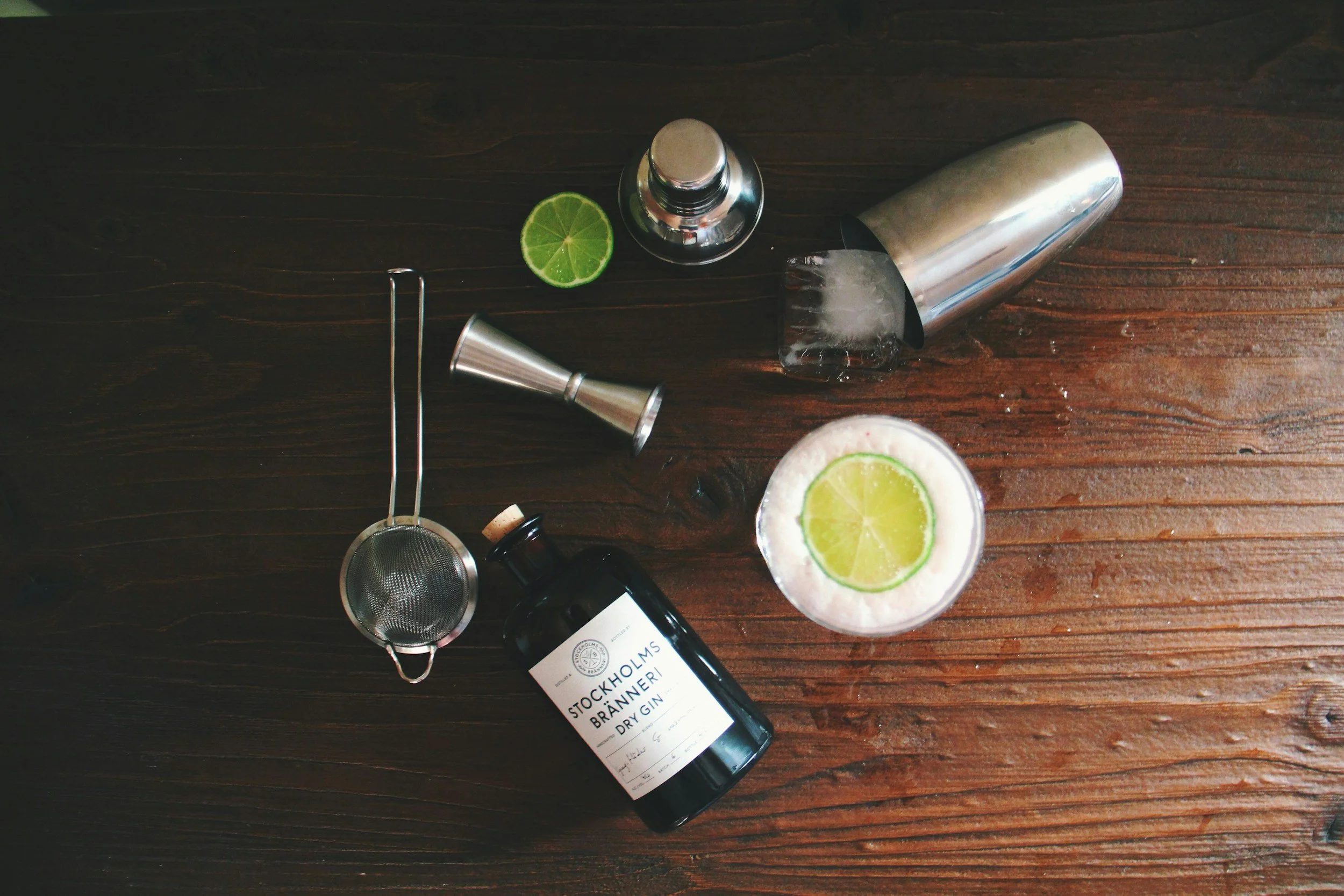
Shaker, jigger, strainer: the tools of the shake. Photo: John Fornander / Unsplash
Why we stir
Stirring is the opposite mood. A Martini, a Manhattan, a Negroni: these are all spirit, and they're meant to feel silky and look crystal clear. Shake one and you cloud it with tiny air bubbles and ice chips, and that velvety texture goes thin.
Stirring chills and dilutes gently, without the air. It takes longer, 20 to 30 seconds, because a spoon is a lot calmer than a shaker. Keep the back of the spoon against the inside of the glass and move the ice around as one smooth wheel, not a splashy whirlpool. Stop when the outside of the mixing glass frosts.
Practice drink #1: the Manhattan (stirred)
We're breaking down the Manhattan on Instagram this week, and it's the perfect drink to practice your stir on.
2 oz rye whiskey (bourbon works too)
1 oz sweet vermouth
2 dashes Angostura bitters
1 good cherry, not the neon kind
Add everything but the cherry to a mixing glass, fill it with ice and stir 20 to 30 seconds, until the glass frosts. Strain into a chilled coupe and drop in the cherry.
Pro tip: keep your vermouth in the fridge. It's wine, and once it's open it fades just like a bottle of wine left on the counter.
Practice drink #2: the Daiquiri (shaken)
2 oz white rum
¾ oz fresh lime juice
¾ oz simple syrup
Shake hard with ice for 10 to 12 seconds and strain into a chilled coupe. Now set it next to your Manhattan. One is clear and glossy, the other is bright, a little cloudy and lively. Taste them side by side once and you'll never forget the rule.
The exceptions (because there are always exceptions)
Never shake bubbles. Soda, tonic and sparkling wine go in at the end, or the drink is built right in the glass with a gentle lift of the spoon. A shaken Moscow Mule is a flat Moscow Mule.
Egg white gets a dry shake. Shake it once without ice to build the foam, then again with ice to chill it.
The guest wins. Somebody wants their Martini shaken? Shake it, with a smile. A happy guest beats a perfect rule every time.
Why bartenders drill this
Behind a busy bar, nobody has time to think about it. You glance at a ticket and your hands already know which tool to grab. That muscle memory is a big part of what we teach at The Cocktail Camp.
We're the only bartending school in San Francisco that trains inside a real, working bar: Blackbird, at 2124 Market St. Over 4 days in a small class, students practice shaking, stirring and pouring with colored water until the motions are automatic, and they taste real spirits and cocktails so they know exactly what "right" tastes like. Some of our campers are changing careers (90% of our grads get hired). Others just want to make a better Manhattan at home. Same skills, same fun.
December classes are open. Save your seat in an upcoming bartending certification class, or call us at 415-574-0284 with any questions.
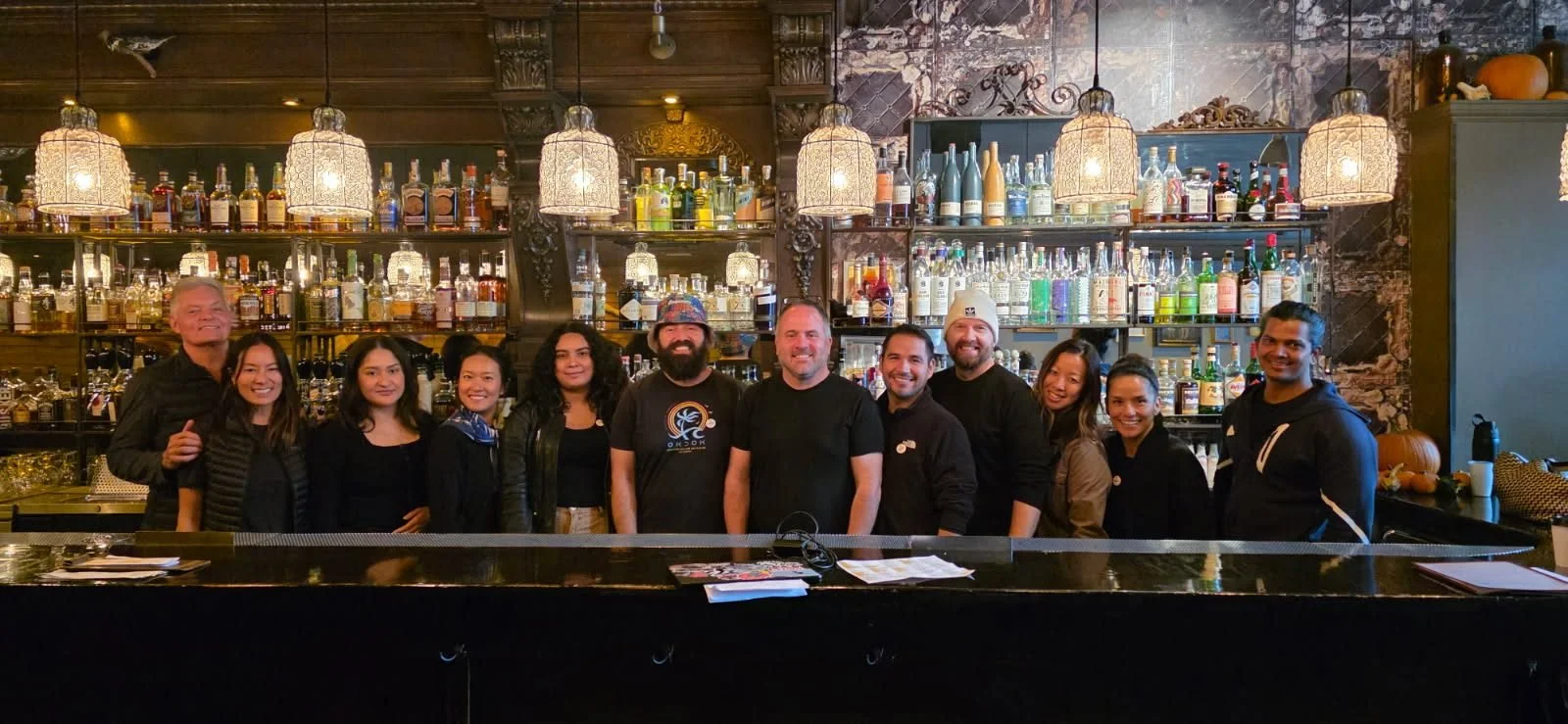
A San Francisco certification class at The Cocktail Camp.