
Bar Consulting for Restaurants That Sells
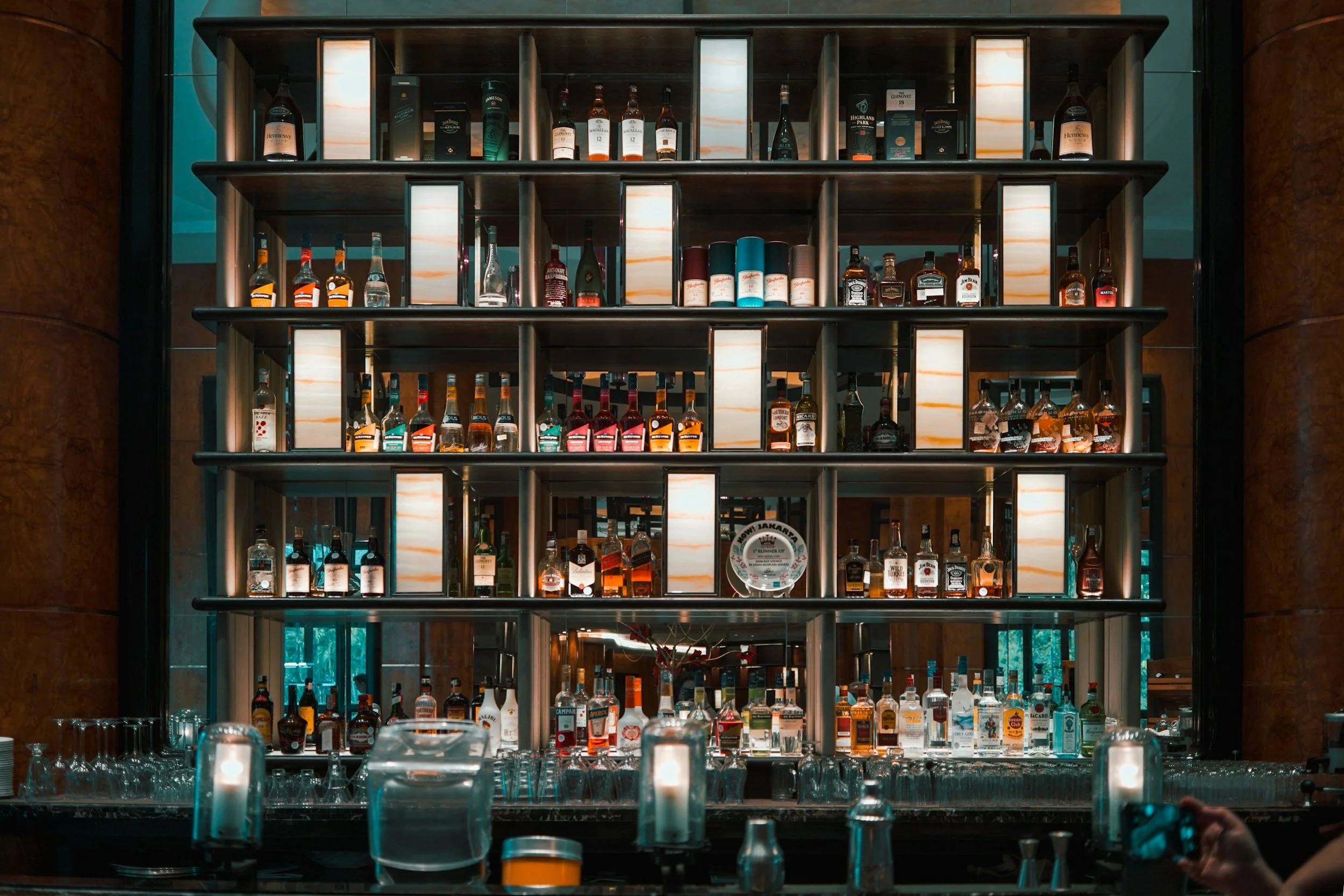
A packed dining room can still hide a weak bar program. Drinks take too long, pours run heavy, the cocktail list looks good on paper but barely moves, and bartenders improvise because there is no real system behind service. That is exactly where bar consulting for restaurants earns its keep - not as a cosmetic upgrade, but as an operational fix that can raise sales, tighten execution, and give guests a better reason to come back.
Restaurants often treat the bar as a side department. In practice, it is one of the fastest ways to improve check average, shape the pace of service, and create a more memorable brand experience. A strong beverage program does more than add cocktails to the menu. It helps the front and back of house work together, supports profitability, and gives staff the confidence to deliver consistently when the room gets busy.
What bar consulting for restaurants actually covers
Good consulting is not just recipe development. It starts with how the bar functions in the real world. That means looking at layout, prep flow, glassware, inventory habits, ticket times, menu logic, pricing strategy, and staff skill level. If the drinks are great but the service model is chaotic, the program will still underperform.
A consultant typically evaluates the full guest journey from the first drink order to final payment. Are cocktails built for speed during peak hours? Does the wine and spirits list match the food concept? Are bartenders trained on technique, specs, and upselling, or are they working from memory and habit? These details decide whether the bar becomes a revenue center or a recurring headache.
The best work usually sits at the intersection of creativity and structure. You need a beverage menu that feels current and on-brand, but you also need measurable standards that hold up on a Friday night. Without both, the program looks polished and still loses money.
Why restaurants bring in outside bar consulting
Most operators do not need more ideas. They need clarity. A restaurant team may already know something is off, but not exactly where the problem starts. Sales might be flat, labor may be stretched, or guests may be ordering mostly beer and wine while signature cocktails collect dust.
An outside consultant brings fresh eyes and practical experience. That matters because internal teams can get used to inefficiencies. A bar station that feels normal to staff may be costing seconds on every ticket. A menu with too many ingredients may feel creative but create waste, inconsistency, and slowdowns in service. A pricing structure may look competitive while quietly giving away margin.
There is also a training gap in many restaurants. Bartenders are often hired for personality and pace, then expected to figure out the rest on the job. That can work in simple programs. It breaks down fast when the beverage menu becomes more ambitious. Real training closes that gap by improving technique, product knowledge, and consistency under pressure.
The biggest problems bar consulting solves
One common issue is menu bloat. Restaurants add drinks to please everyone, and the result is a list with no point of view. Too many syrups, too many modifiers, too many cocktails that require extra steps for very little return. A consultant helps trim the menu into something smarter - drinks guests actually want, built with ingredients the team can manage efficiently.
Another frequent problem is poor costing. Many restaurants underestimate how much profit disappears through overpours, unmeasured builds, dead inventory, and weak pricing discipline. Even a popular cocktail can be a bad business decision if the cost structure is off. Consulting helps restaurants standardize recipes, portion correctly, and price with intention.
Then there is service flow. If bartenders are constantly reaching, restocking mid-rush, or fighting for space, speed suffers. Guests notice. Servers notice too, especially when drink times affect table turns and overall guest satisfaction. In these cases, a consultant may recommend changes that seem small on paper but make a major difference in execution.
What a strong beverage program looks like
A strong program feels easy to the guest and disciplined behind the scenes. The menu is clear. The drinks fit the concept. Bartenders know their specs. Service is fast without feeling rushed. Inventory is controlled. Managers can track what is selling and what is not.
That does not mean every restaurant needs an elaborate cocktail identity. Sometimes the right move is a tight list of high-performing classics, a few signatures, and a practical no- and low-ABV section. Sometimes the concept calls for a more expressive menu with house ingredients and a deeper spirits focus. It depends on the restaurant, the price point, the volume, and the market.
This is where bar consulting for restaurants becomes especially valuable. The goal is not to copy what is trending in another city or force a fine-dining beverage model into a neighborhood spot. The goal is to build a program that matches the brand, staff, and guest expectations while still making business sense.
Training matters as much as the menu
A restaurant can pay for beautiful recipes and still struggle if the staff cannot execute them. Training is often the difference between a launch that sticks and a launch that fades after two weeks. Bartenders need more than specs. They need repetition, workflow discipline, and the kind of hands-on instruction that prepares them for live service.
That applies to servers too. If the service team cannot speak confidently about flavor profiles, spirits, pairings, and price points, the bar program loses momentum on the floor. Guests do not order what they do not understand. Strong beverage training helps staff guide decisions naturally instead of sounding scripted.
For restaurants building or refreshing a program, hands-on education is one of the highest-value investments available. That is especially true for teams that want real standards, not just a one-time menu drop. Brands like The Cocktail Camp stand out in this space because practical instruction in real bar environments translates better to service than theory alone.
How to know if your restaurant needs consulting
You do not need a failing bar to justify outside help. Sometimes the signs are more subtle. Cocktail sales may be lower than expected. Bartenders may make the same drink three different ways. Inventory counts may never quite line up. New hires may take too long to get up to speed. Managers may avoid changing the menu because training the team feels too difficult.
Growth is another trigger. If a restaurant is opening a second location, expanding beverage offerings, or repositioning its concept, systems matter more. What works with one strong lead bartender often falls apart when the team grows. Consulting helps turn individual talent into repeatable standards.
New concepts benefit too. Opening with a smart bar strategy is cheaper than rebuilding one after launch. It is easier to design menu logic, station setup, purchasing habits, and training systems early than to correct bad patterns once they are baked into operations.
What to expect from the process
A serious consulting engagement should begin with discovery. That includes understanding the concept, guest profile, service style, sales goals, and operational constraints. From there, the work may involve menu development, costing, station design, vendor guidance, SOP creation, staff training, and launch support.
The process should also be realistic. Not every restaurant needs a full overhaul. Sometimes the most effective move is tightening five drinks, retraining the team, and fixing pours and prep. Other times the concept needs a broader reset. Good consultants know the difference and avoid selling complexity for its own sake.
Operators should expect trade-offs. A highly ambitious cocktail menu may elevate brand perception but require more prep, stronger bartenders, and tighter service controls. A simpler menu may improve speed and margin but feel less differentiated. The right answer depends on your volume, labor model, and guest expectations.
The payoff when the bar finally works
When a restaurant bar program is dialed in, the difference shows up everywhere. Guests order with more confidence. Servers sell more effectively. Bartenders move with purpose. Managers spend less time putting out fires. Beverage revenue becomes more predictable, and the experience feels more polished without becoming stiff.
That is the real value of bar consulting for restaurants. It brings together strategy, training, and execution so the bar is not just present, but productive. For restaurants that want stronger sales, better consistency, and a beverage program that can hold up under real service, expert guidance is not an extra. It is part of building a business that lasts.
The smartest bar programs are not the flashiest ones. They are the ones designed to work on your busiest night, with your actual team, for the guests you want to keep serving.