
How to Find a Bartender Training School Near Me
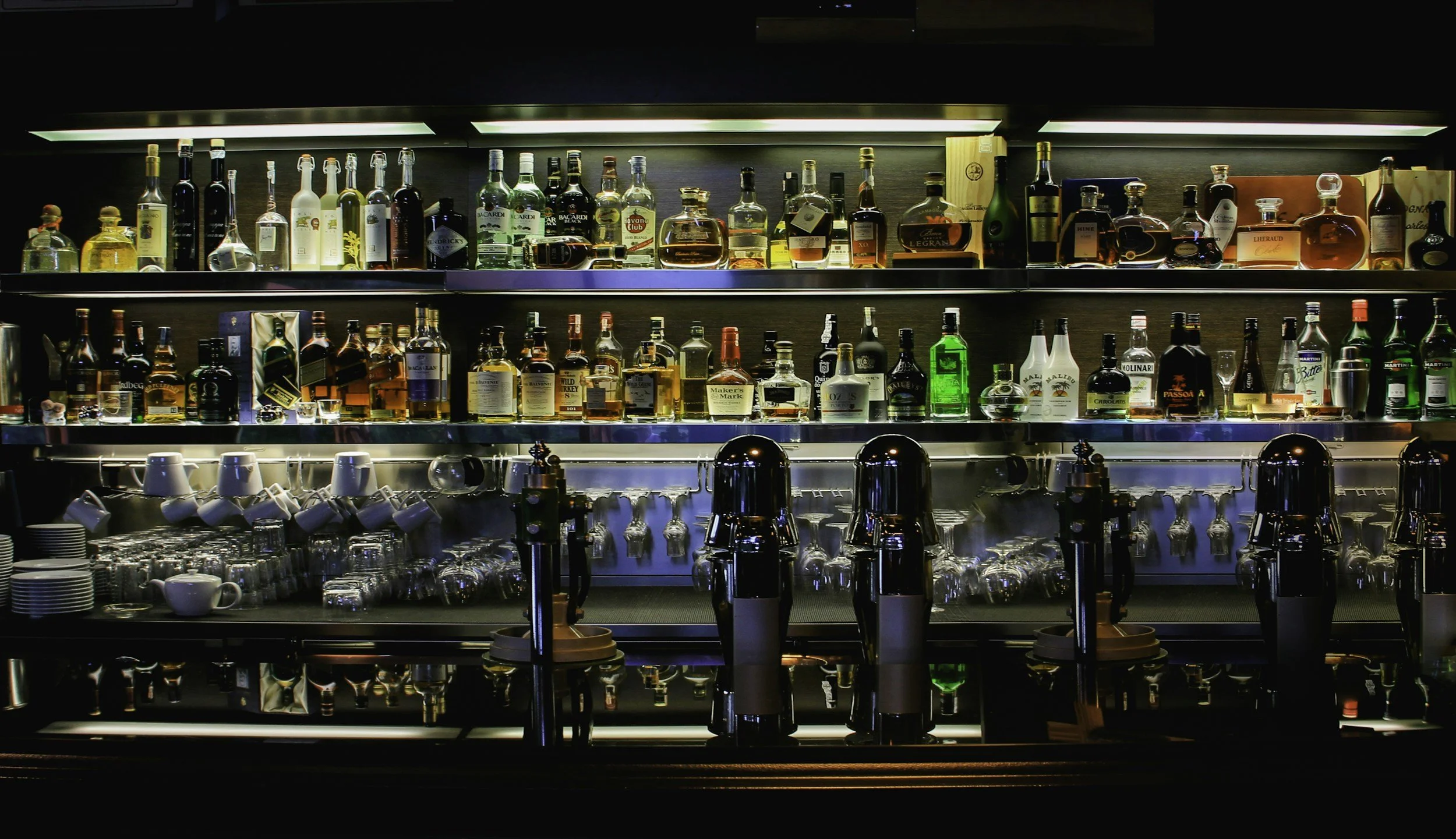
If you’ve typed bartender training school near me into a search bar, you’re probably not looking for theory. You want a program that gets you behind the bar, teaches you how service actually works, and helps you build confidence fast enough to use in the real world. That search matters because not all bartending programs are built the same, and the wrong one can leave you with a certificate but no real bar instincts.
The best bartender training is practical from day one. It should feel like the job, not a lecture about the job. If your goal is to start bartending, move up in hospitality, or sharpen your cocktail technique, the school you choose should train you in an environment that mirrors actual service pressure, actual bar tools, and actual guest interaction.
What to look for in a bartender training school near me
Start with the setting. A strong program teaches in a real bar environment or something close to it. That changes everything. You learn your workspace, how to move efficiently, how to handle glassware and equipment, and how to build drinks without freezing when multiple orders hit at once. A classroom can cover recipes, but a bar setup teaches rhythm.
Instruction quality matters just as much. Expert instructors should have real hospitality experience, not just a script. The difference shows up in the details. They can teach why a technique works, when to adjust, how to recover from mistakes, and what employers actually expect when they hire new bartenders.
Certification is another major factor, but it should not be the only one. A certificate has value when it comes from training that gives you usable skills. If a school emphasizes certification without emphasizing hands-on work, that is a red flag. Employers want people who can keep up, stay organized, communicate clearly, and make drinks with consistency.
Why hands-on training beats classroom-only learning
Bartending is a physical skill. You can read about shaking, stirring, free pouring, specs, and service standards, but reading alone will not build speed or confidence. Repetition does. Good training gives you time to practice pours, cocktail builds, bar setup, sanitation, customer interaction, and service flow until those actions start to feel natural.
This is especially important for career changers and first-time students. Many people come into bartending because they want flexible income, nightlife energy, or a faster path into hospitality. That can be a smart move, but only if the training closes the gap between beginner curiosity and job-ready performance.
There’s also a confidence factor people underestimate. When you’ve trained in a real working setup, you show up differently at interviews, auditions, and trial shifts. You handle tools more comfortably. You know the language of the bar. You ask better questions. That presence matters.
The skills a quality bartending program should teach
A real bartending course should cover far more than cocktail recipes. You need strong fundamentals first. That includes bar tools, glassware, classic drink families, pouring accuracy, measuring, garnish prep, opening and closing duties, sanitation, and responsible alcohol service.
Then there’s service. Great bartenders do more than make drinks. They read guests, manage timing, communicate with the floor and kitchen, stay calm under pressure, and protect the guest experience even when the bar gets slammed. A school that ignores service is only teaching half the job.
A strong program should also teach efficiency. Speed without control creates waste and mistakes. Control without speed can hold up service. Good instructors show you how to work clean, move with purpose, and keep standards high even when volume increases.
If mixology matters to you, look for training that includes technique, balance, and ingredient knowledge rather than flashy tricks. The best modern bartenders understand classics, know how flavors work together, and can produce drinks consistently. Style helps, but precision gets you hired.
How to compare local options without wasting time
When you’re comparing schools, look past the marketing first. Ask where the training happens, how much hands-on practice is included, who teaches the classes, and what outcomes students can expect. A polished website is nice. It is not the same as quality instruction.
Check whether the program is built for your goal. If you want to get hired quickly, job-focused training should be the priority. If you already work in hospitality and want to improve your cocktail program or technique, you may want more advanced beverage instruction. If you’re just looking for a fun social experience, a recreational mixology class could be the better fit than a certification track.
Location still matters, but convenience should not be your only filter. The closest school is not always the best school. A short commute to weak training costs more in the long run than driving a little farther for expert instruction and real skill development.
Reviews can help, but read them carefully. Look for signs that former students felt prepared, supported, and confident after completing the program. Pay attention to whether people mention instructors, hands-on learning, and the training environment. Those details tell you more than generic praise.
Is online bartending training enough?
It depends on your goal. Virtual instruction can be useful for beverage knowledge, cocktail history, menu development, and learning foundational concepts. It can also be a flexible option for busy schedules. But if you want to work behind a bar, online-only training usually is not enough by itself.
Bartending is tactile. You need to handle tools, work with bottles, practice measurements, refine your motion, and learn how to move in a service setup. Virtual training can support that process, but it rarely replaces in-person repetition. The strongest option for most aspiring bartenders is a program that includes hands-on training with experienced instructors.
That’s one reason brands like The Cocktail Camp stand out in competitive markets. Real-bar training creates a different level of readiness than a purely classroom or screen-based course. It is closer to the pace, pressure, and standards students will face once they step into an actual venue.
Who benefits most from bartending school
Aspiring bartenders are the most obvious fit, but they are not the only ones. Hospitality workers moving from server or barback roles often use formal training to level up faster. Career changers like the structure because it compresses the learning curve. Private clients and enthusiasts sometimes want professional-level mixology skills for entertaining, events, or personal development.
For some students, bartending school is about getting a first job. For others, it is about credibility and polish. Someone with restaurant experience may already understand service but need help with cocktails, workflow, and bar standards. Someone else may know spirits well but have zero speed or station discipline. A good program meets students where they are and pushes them toward real performance.
Signs you found the right bartender training school near me
The right fit usually becomes clear fast. The program is transparent about what you will learn. The instructors bring authority without acting unapproachable. The training feels active, not passive. And the outcomes are concrete - certification, hands-on practice, stronger technique, and better readiness for real hospitality work.
You should also feel momentum. Great schools do not just hand you information. They build confidence through repetition, feedback, and structure. By the time you finish, you should know more, move better, and feel more prepared to step behind the bar in front of actual guests.
If your search for a bartender training school near me is leading you toward programs that promise everything, slow down and look at the details. Choose the one that teaches in the real conditions you want to work in. The right training does more than check a box - it changes how you show up the moment service starts.