How to Find In Person Mixology Classes Near Me
Typing in person mixology classes near me into a search bar usually means you want more than a fun night out. You want a class that actually teaches you something useful - how to shake properly, build balanced cocktails, handle tools with confidence, and work in a real bar setup instead of sitting through a lecture with a recipe card.
That distinction matters. Not every mixology class is built the same, and the gap between a casual tasting event and true hands-on instruction is wider than most people expect. If your goal is career growth, stronger bartending fundamentals, or a private experience that feels polished and worth the price, choosing the right class starts with knowing what to look for.
What people really mean by in person mixology classes near me
Most people searching locally fall into one of three groups. The first is aspiring bartenders who want practical training they can use on the job. The second is hospitality professionals who already work in restaurants, bars, or events and want to sharpen technique. The third is consumers planning a birthday, date night, team-building event, or social experience that feels more elevated than a standard outing.
Those groups need different things, but they all benefit from the same core feature: in-person learning. Mixology is tactile. You learn by measuring, stirring, shaking, pouring, tasting, adjusting, and repeating. Watching a video can show you a recipe. It cannot correct your jigger grip, your shake rhythm, your dilution, or the way you set up a workstation under pressure.
That is why location alone should not be the deciding factor. Near you is convenient, but quality matters more than shaving ten minutes off the drive.
Why in-person training beats passive cocktail classes
There is a big difference between entertainment and instruction. A recreational class can be a great time, especially for groups, but if you want real skills, the format has to support repetition and feedback.
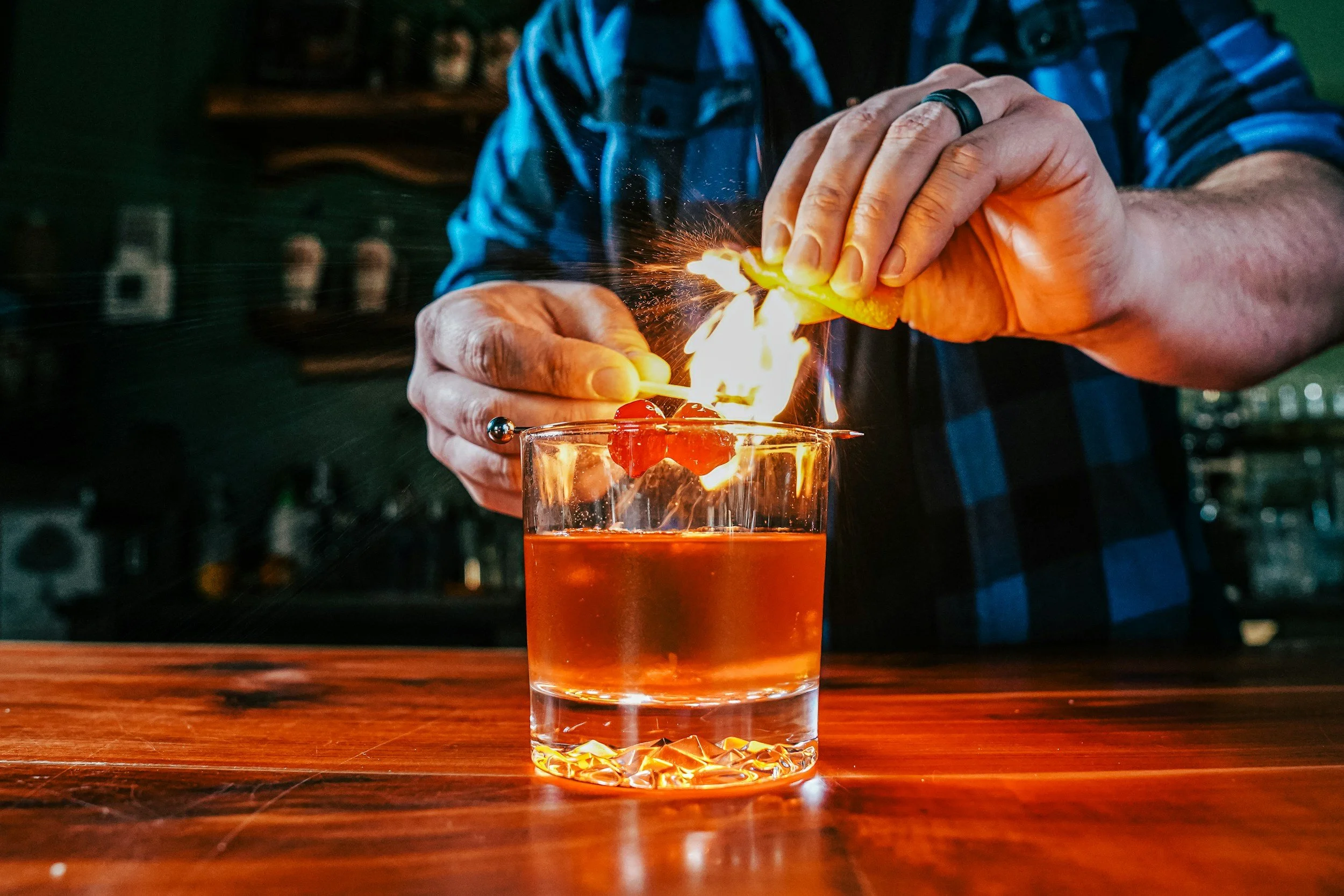
A strong in-person class gives you direct coaching from expert instructors, immediate correction, and a setup that mirrors how drinks are actually made. That often means training in real bar environments or with professional-grade tools and workflow. You should be handling ingredients, learning technique, and understanding why one method works better than another.
This is especially important for anyone considering bartending as a job. Employers care less about whether you memorized a few trendy cocktails and more about whether you can move efficiently, follow specs, stay clean, and produce consistent drinks. Hands-on training builds that confidence faster.
For social groups, the value is a little different. In-person classes create energy that virtual sessions usually cannot match. Guests engage more, ask more questions, and leave with a stronger sense that they actually learned something rather than just being entertained for an hour.
What to look for before you book
If you are comparing local options, start with the setting. A real bar environment immediately tells you a lot about the seriousness of the training. It helps students understand spacing, tools, speed, and the physical rhythm of bartending. Classroom-only formats can still be useful, but they often miss the pressure and practicality that make skills stick.
Next, look at who is teaching. Expert instructors should have real hospitality experience, not just presentation skills. The best classes are led by people who have worked behind the bar, understand service standards, and know how to teach beginners without watering down the craft.
Class structure matters too. A good program is organized. It should move from fundamentals into application, whether that means spirit knowledge, balancing cocktails, shaking and stirring methods, glassware, garnish technique, or workflow. If the class feels random, the learning usually does too.
You should also pay attention to the outcome. Are you looking for a one-time experience, a professional skills course, or bartender certification? Those are not interchangeable. A date-night class can be excellent for fun and still be the wrong fit for someone trying to become job-ready.
The best class depends on your goal
If your goal is career entry, prioritize practical bartending skills over novelty. That means real-bar training, hands-on repetition, and instruction that covers bar fundamentals, not just signature cocktails. You want a class that teaches setup, specs, service mindset, and the kind of consistency that translates into work.
If you already work in hospitality, the right class may be more technique-focused. Maybe you want to refine classic cocktail builds, improve speed, or become more confident speaking about spirits with guests. In that case, a smaller class with strong instructor feedback may be more valuable than a large public event.
If you are booking for a group, the balance shifts. You still want expert guidance, but the event should also feel social, polished, and easy to participate in. Team-building groups usually do best with a format that keeps everyone involved without turning the session into a rigid skills assessment.
That is the trade-off to keep in mind. The more entertaining a class is, the less technical it may be. The more professional a class is, the less it may feel like a party. Neither approach is wrong. It depends on why you are booking.
Questions worth asking before you commit
When people search for in person mixology classes near me, they often compare prices first. That is understandable, but price only tells part of the story. A lower-cost class may include limited hands-on time, larger groups, weaker instruction, or a less professional setup.
Instead, ask a few better questions. How much time do participants spend actually making drinks? Are instructors experienced bartenders? Is the class held in a real bar environment? Does the session focus on foundational technique, a themed social experience, or certification-style training? Are tools and ingredients included? How large is the group?
These answers reveal whether you are paying for substance or just packaging.
Reviews can help, but read them carefully. Look for comments about confidence, teaching quality, professionalism, and hands-on experience. If every review talks only about how cute the event was, that may be fine for a party booking, but it may not be ideal if your goal is serious skill-building.
Why local matters more in major California markets
In cities like San Francisco, Sacramento, and Los Angeles, demand for hospitality training and premium experiences is high. That is good news because you will usually have options. It also means quality can vary widely.
Some providers are built for one-off entertainment. Others are structured around actual beverage education. In competitive markets, the strongest programs stand out by offering expert instruction, real-world bar training, and a clear path from learning to action.
That matters for job seekers especially. In markets with active restaurant, bar, and event scenes, practical training gives you a stronger starting point. You are not just learning recipes. You are learning how to operate in a professional hospitality setting where speed, organization, and guest experience all matter.
For companies and private groups, local access matters for another reason: logistics. An in-person event should feel easy to book, easy to attend, and professionally run from start to finish. When a provider understands the local hospitality scene, the experience tends to feel sharper and more tailored.
What a high-quality experience should feel like
The best classes feel active from the start. You are not stuck watching someone else do all the work. You are participating, asking questions, getting corrected, and seeing immediate improvement. The room has energy, but it is controlled. The instruction is approachable, but it is not watered down.
You should leave with more than a few recipes. You should understand balance, technique, and the logic behind what you made. If it is a professional training environment, you should also leave with stronger confidence behind the bar. If it is a social event, you should still walk away feeling like the experience had substance.
That blend of excitement and credibility is what separates top-rated programs from generic experiences. It is also why many students and groups come back for more advanced training, private events, or certification courses once they see the difference.
A strong provider can meet multiple needs under one brand. That is especially useful if you are not just looking for a single class, but also considering bartender certification, team-building events, or broader beverage education. The Cocktail Camp stands out in this space by combining expert-led instruction with real bar environments and hands-on training built for both career-focused students and experience-driven groups.
If you are searching locally, do not settle for the closest option just because it appears first. Pick the class that gives you real practice, real instruction, and a reason to feel more confident the moment you step behind the bar.